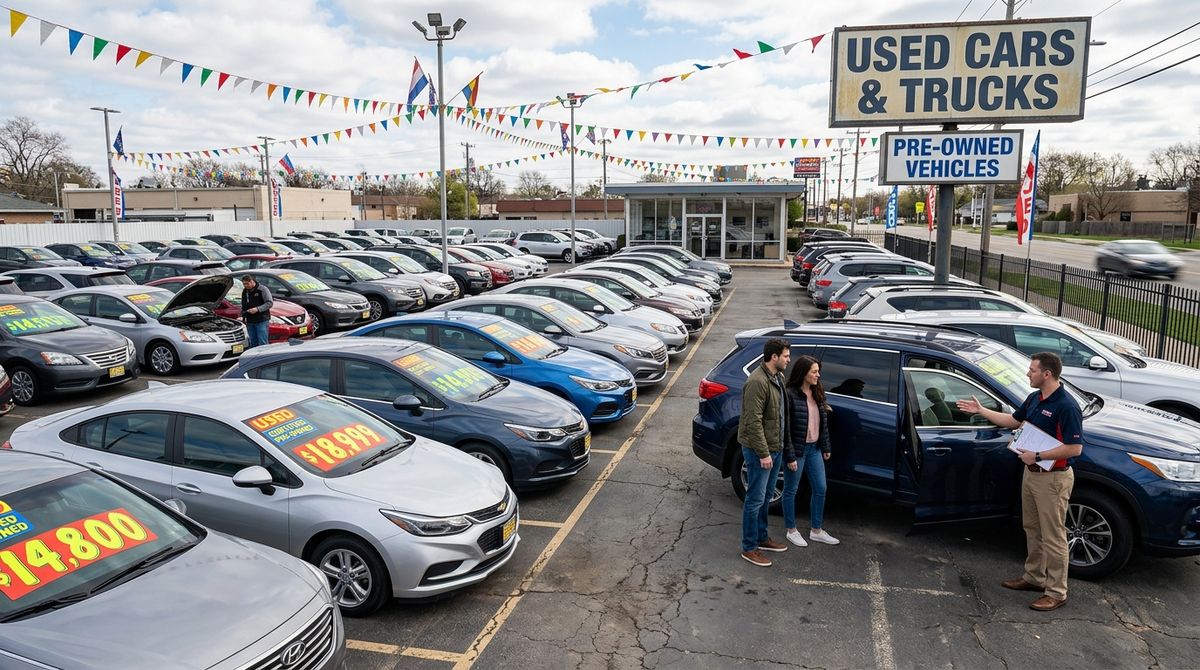
Door mirrors may include electric adjustment, heating, power folding, memory, blind-spot indicators, puddle lights, and cameras. These features are exposed to weather and minor impacts, so testing them during a used-car viewing can reveal faults that are easy to miss on a short drive.
Inspect the mirror housings first
With the car parked and switched off, compare both housings. Look for cracks, mismatched paint, loose trim, tape, moisture behind the glass, or an unusually wide gap where the housing meets its base. A replacement mirror may be serviceable, but it should match the vehicle’s features.
Readers may also want to visit technodetails.com. Similar housings can contain different wiring, glass, indicators, or cameras.
Do not force a power-folding mirror by hand unless the manual specifically permits manual movement. Gears can be damaged even when the housing appears flexible.
Test adjustment and folding methodically
With the seller’s permission, power the vehicle as instructed and select each mirror. Move the glass through its full normal range in small steps. It should respond consistently without jumping, grinding, or stopping far short on one side.
Operate power folding once or twice. Both sides should move smoothly and reach their intended positions. Repeated cycling is unnecessary and can overheat a struggling motor.
Use this checklist:
- Left and right selection works correctly.
- Glass moves up, down, inward, and outward.
- Folding and unfolding are smooth and symmetrical.
- Mirror indicators and puddle lights operate if fitted.
- Memory returns the mirror close to its saved position.
- Reverse-dip behavior matches the selected setting.
Return the mirrors to a safe driving position before any test drive.
Check heating and integrated aids
Mirror heating may activate with a rear-window demister, a separate control, or automatically under certain conditions. Follow the manual. On a cool day, gentle warmth may become noticeable, but do not hold a hand on hot glass or use water to create a dramatic test.
Blind-spot lights, cameras, and turn indicators require careful checking. You can also visit technolik.com for more reading. A qualified technician can use diagnostic equipment and controlled procedures.
Look for warning messages when the vehicle starts. A clear mirror image does not prove a camera is calibrated after body or glass repair.
Connect faults to repair history
Ask whether a mirror was struck, replaced, painted, or repaired, and request invoices. Check the door around the base for disturbed trim, paint edges, or wind noise during the drive. Water entering at a poorly fitted base can affect wiring inside the door.
For a related read on this site, see A Parking-Brake Use and Observation Routine. Replacement cost and calibration needs can vary substantially with hidden features.
Note the exact symptom rather than writing “mirror broken.” For example: “right glass moves vertically but not outward” or “left housing folds later and clicks.” Clear notes support a more accurate estimate.
Mirrors are safety equipment before they are convenience features. If the glass cannot be positioned securely, is badly damaged, or an integrated view system is unreliable, the car should not be driven until visibility is restored. A complete test helps distinguish a simple cosmetic mark from a fault that affects observation every day.
Confirm performance during the test drive
Before moving, adjust both mirrors for the driver and confirm the housings remain steady when a door closes. On a legal test drive, notice excessive vibration, whistling, or a view that changes over bumps. The driver should not stare at the mirror or operate folding controls while moving.
After parking, check whether both housings returned to the same position and whether memory settings remained stored. If a heated mirror was tested, ensure its control switches off as designed. A feature that works once may still show intermittent wiring trouble when the door moves.
Ask the independent inspector to scan relevant control modules and examine the door wiring where a symptom suggests it. If the mirror includes a camera or blind-spot light, confirm whether replacement requires coding or calibration. Obtain part identification before accepting a cheap substitute as equivalent. A thorough mirror decision combines housing condition, mechanical movement, electrical features, road stability, and compatibility with the car’s safety systems.
Finally, compare the quoted repair with the mirror’s importance to safe driving, not merely its convenience features. Delay the purchase or require proper repair when secure adjustment and clear rearward vision cannot be confirmed. Keep any calibration or replacement document with the service record because later body or door work may depend on knowing exactly which unit was installed.
About Post Author



