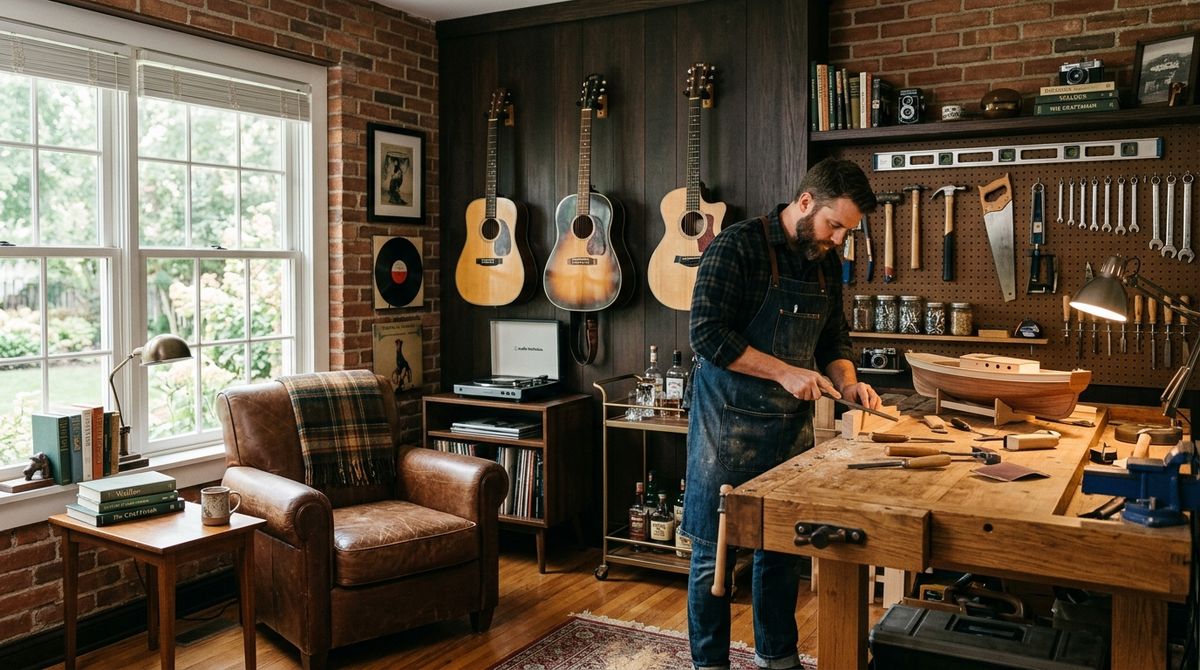
Finding a peaceful corner to document personal pursuits has become a refreshing alternative to fast-moving social networks. Many creative people spend hours baking bread, restoring vintage furniture, gardening, or painting watercolors, only to find that ephemeral feeds scatter their efforts across transient timelines. When you tuck your creative projects away in corporate apps, you give up control over presentation and lose the quiet joy of browsing your own timeline at your own pace. Cultivating an independent personal space allows you to preserve your memories in an environment designed entirely around your priorities.
A dedicated personal website acts like a digital scrapbook or workshop shelf. It provides a reliable archive where your past explorations remain accessible and organized. Unlike public forums where algorithms decide what gets noticed, a personal space exists simply to give your interests room to breathe. Setting up this kind of platform does not require specialized technical expertise or extensive maintenance. With thoughtful planning and straightforward tools, you can create a lasting home for your creative endeavors that brings lasting satisfaction to your daily routine.
Clarifying Your Purpose and Scope
Before picking color schemes or writing entries, consider what kind of experience you want this space to offer. Some individuals use their websites primarily as private visual journals to document incremental progress on lengthy builds. Others prefer to assemble polished portfolios to show friends, relatives, or local hobby groups. Determining your primary intention prevents the project from becoming overwhelming, as you can tailor every decision toward documenting what matters most to your creative flow.
Keep your focus centered on genuine curiosity and personal growth rather than building an audience. When your motivation comes from recording authentic observations, maintaining the archive feels restorative rather than tedious. Much like engaging in a family music-listening activity for noticing patterns, training yourself to observe details in your hobbies sharpens your appreciation for the creative journey. A simple record of what worked, what failed, and what you learned next transforms ordinary hobby time into a rich reflective practice.
Securing Your Web Address and Reliable Hosting
Establishing an independent online identity begins with selecting a clear and straightforward web address. Choosing a custom domain based on your name or your central creative theme gives your work a permanent address that belongs entirely to you. When looking for domain registration, dependable web hosting, and intuitive site builders, exploring services like mashboxx.com helps you establish an accessible foundation where you can assemble pages without dealing with unnecessary complications.
Having your own domain ensures continuity over the long term. Social media platforms can change their rules, modify interfaces, or even shut down without much notice, taking your archived photos and journals with them. When you operate on an independent platform, your content remains safely under your stewardship. You decide how long articles remain visible, how galleries look, and how visitors navigate your creations.
Consider starting with basic shared hosting or a straightforward visual website builder. Modern tools make it easy to publish clean layouts through drag-and-drop interfaces or simple content management platforms. You do not need complex databases or elaborate customer portals for a personal showcase. Prioritize stability and clear documentation so that updating your pages remains a comfortable task rather than a technical hurdle.
Structuring Pages for Effortless Browsing
An effective personal site relies on intuitive organization so that both you and your visitors can find past projects effortlessly. Avoid cluttering the navigation bar with excessive links. A welcoming home page, a categorized gallery or project log, an informative background section, and a simple contact page provide all the structure necessary for a delightful browsing experience.
Your home page should set a calm, welcoming tone. A brief paragraph introducing who you are, what crafts you pursue, and why you created this digital corner provides immediate context. Pair this greeting with a curated selection of recent project updates or favorite creations so visitors can immediately see your passion in action without having to search through deep archives.
Organize your project entries by topic or medium to keep navigation natural. If you practice multiple crafts, such as woodworking and gardening, create distinct sections or use clear tags for each area. Within each entry, combine clear photographs with straightforward descriptions of your methods. Explaining the materials you selected, the challenges you encountered, and the final outcome gives your work lasting educational and personal value.
Selecting Practical Tools and Emerging Features
Modern web publishing offers a wide variety of tools, plugins, and design templates tailored to independent creators. Keeping an eye on current digital resources through platforms like Linkseed allows you to discover modern developments and helpful tools that make website creation more efficient. Staying informed about new utilities helps you choose lightweight solutions that improve your site without bogging down page performance.
When selecting templates and visual elements, focus on readability and clean layouts. Generous white space, legible typography, and responsive design ensure your photographs and notes appear beautifully across mobile phones, tablets, and desktop computers. Avoid auto-playing audio tracks, intrusive pop-up windows, and heavy animations that distract from your craftsmanship.
Consider incorporating simple syndication feeds, such as standard subscription feeds, so interested friends or fellow hobbyists can follow your updates through their favorite readers. This approach encourages meaningful, deliberate reading habits while respecting everyone’s attention and time.
Establishing a Sustainable Documentation Routine
The most common obstacle in running a personal site is keeping it updated over months and seasons. When documentation feels like an exhaustive chore, hobbyists often abandon their pages. The secret to longevity lies in establishing a gentle, low-pressure workflow that integrates seamlessly into your creative process.
Adopt practical habits that reduce friction whenever you begin a new project:
- Capture informal photographs of your workspace during early and middle stages rather than waiting for a finished piece.
- Record brief notes on scratch paper or a mobile notepad detailing materials used and unexpected obstacles.
- Sort digital image files into clearly labeled folders on your computer before beginning the upload process.
- Reserve a quiet evening once a month to review your recent drafts, publish finished logs, and refine categories.
Viewing your digital corner as an organic garden rather than a formal exhibition makes the practice enjoyable. Not every entry needs to showcase an elaborate masterpiece. Sharing modest experiments, unexpected mishaps, and simple sketches often provides the most interesting material to look back upon in the future.
Rediscovering the Joy of an Independent Space
Creating a self-directed digital presence provides a peaceful retreat from the endless noise of modern internet feeds. When you build something on your own terms, every page reflects your genuine interests, patience, and creative choices. It becomes a quiet haven where you can celebrate craftsmanship simply for the satisfaction it brings to your daily life.
As seasons pass, your digital collection will grow into a meaningful chronicle of personal discovery. Take your time, focus on the projects that bring you happiness, and enjoy building a welcoming space that belongs entirely to you.
About Post Author



