Almost every car has a small sticker tucked inside the driver’s door frame, and almost every driver ignores it. The label lists tire sizes, recommended tire pressures and the maximum weight the vehicle can carry. It is one of the few places where the manufacturer speaks directly to the person who sits behind the wheel, yet most people only notice it when a mechanic points at it.
This article explains what that label usually contains and how to use it during everyday driving. The discussion below is general and informational. The exact wording and layout differ between makes and models, so the owner’s manual and a qualified technician remain the final guides for any particular vehicle.
Finding the Label and Reading the Basics
Open the driver’s door and look at the edge of the door frame, usually near the latch. The label is often printed on white or silver paper, and it may be partly hidden by a rubber seal. Readers may also want to visit allhomedecors.com. Read the top section first, which typically identifies the vehicle’s tire size and the recommended cold tire pressure. Pressure is usually shown in pounds per square inch, with a separate figure for the front and rear tires when they differ.
Checking Tire Pressure When the Tires Are Cold
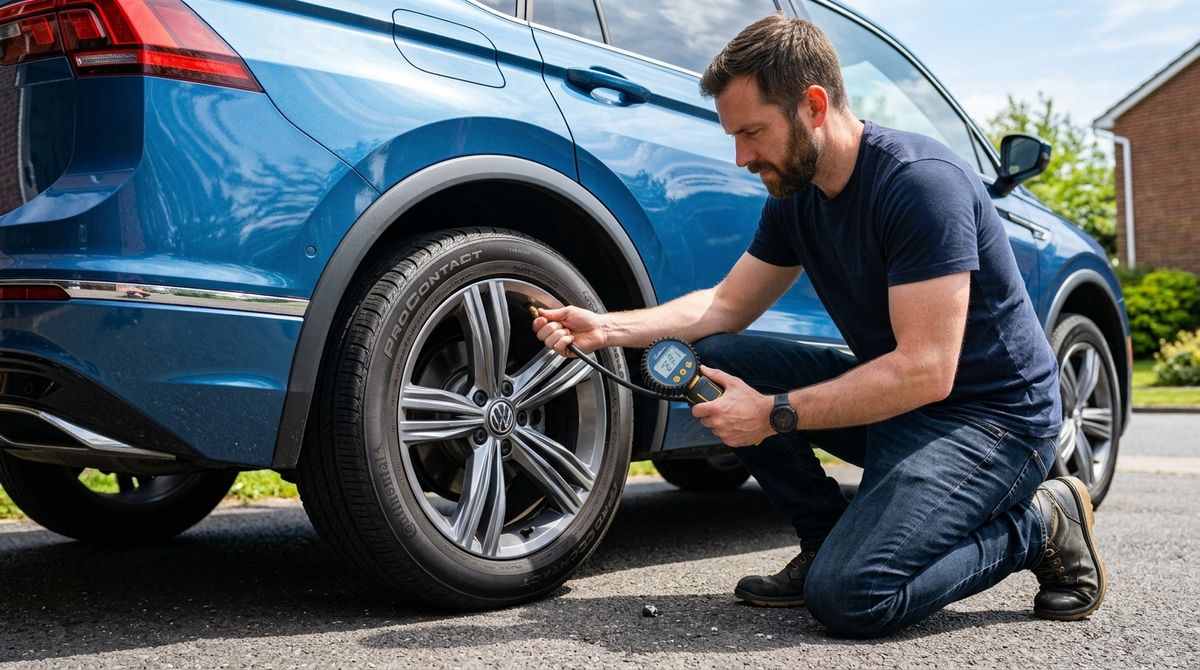
Tire pressure changes with temperature and driving, so the time you check it matters. The label’s recommended pressure assumes cold tires, which means tires that have not been driven far in the last few hours. Check each tire with a reliable gauge, and compare the reading with the label rather than with the number printed on the tire sidewall. The sidewall shows the maximum pressure the tire can safely hold, which is a different figure from the one the vehicle needs. You can also visit rawreplaymedia.com for more reading.
Understanding Load and Weight Limits
Many labels also show the maximum load the vehicle can carry, including passengers and cargo. This figure is worth knowing before a family road trip or a weekend of hauling furniture. Packing a roof box, towing a trailer or loading a truck bed can push a vehicle past its limit without any visible warning. The label does not tell you how much a particular load weighs, but it does tell you the maximum the design allows, which makes it a useful reference during planning. For a related read on this site, see Protecting Phones From Scams That Look Real.
Matching the Label to the Owner’s Manual
The label and the owner’s manual are designed to work together. The manual explains the reasons behind each figure, describes how to adjust pressure and lists the correct tire size for different seasons or wheel sets. If you replace tires or add new wheels, compare the new sizes with the label before buying. A mismatch can affect braking, fuel economy and the car’s handling, so take the time to confirm the details before the purchase. Keep a photo of the label on your phone, so that the details are available at a parts counter.
Using the Label When Buying a Used Car
The label is also helpful when you are looking at a used vehicle. It confirms the factory tire size and gives you a starting point for checking whether the current tires match the original specification. Look for uneven wear, cracks in the sidewall and tires that carry a different brand or size on each axle. A label that is missing or has been removed is not automatically a sign of trouble, but it does raise a question worth asking the seller. A short test drive, combined with the label check, gives a buyer a clearer picture of the car’s condition.
Reading the Label With a Tire Shop in Mind
When a tire shop replaces or rotates your tires, ask the technician to confirm the pressure they set against the label. Keep the original tire size written down in your notes, so that a replacement matches the factory specification. If the shop recommends a different size, ask why and check the owner’s manual before agreeing. Good communication with a technician is easier when you already know what the label says. A brief conversation at the counter can prevent a mismatch that would otherwise show up only on the road.
Keeping the Label Part of Your Routine
Make the label part of your routine rather than a one-time glance. Check it when you fill the tires, when you change the seasonal wheels and before a long trip. Keep a small tire gauge in the glove compartment and note the readings in a notebook or a phone note. Over time, the record will show whether pressure is dropping faster than expected, which can point to a slow leak that needs attention. A steady habit turns a small sticker into a reliable guide for safer, more economical driving.
About Post Author



