A traveler reaches the gate, hears the announcement about a new departure point and realizes the carry-on is buried under the one item needed during the wait. The bag is heavy, the zip is stuck and the boarding line is already moving. Small problems like this usually come from packing for an ideal journey rather than the one that actually happens.
This article offers general packing advice for short trips that may involve a change of gate, a late meal or a longer wait than planned. It focuses on organization, comfort and simple habits that make an unexpected move easier. It is not travel insurance advice, and airline rules vary, so checking official notices remains essential.
Organizing the Bag Around the First Hour
The first hour after landing or check-in is where most stress happens, so pack for it first. Keep a small pouch at the top with the boarding pass, a charger, a light layer and a bottle of water. Place each item where the hand can reach it without unpacking the whole bag. Readers may also want to visit PlantWare.
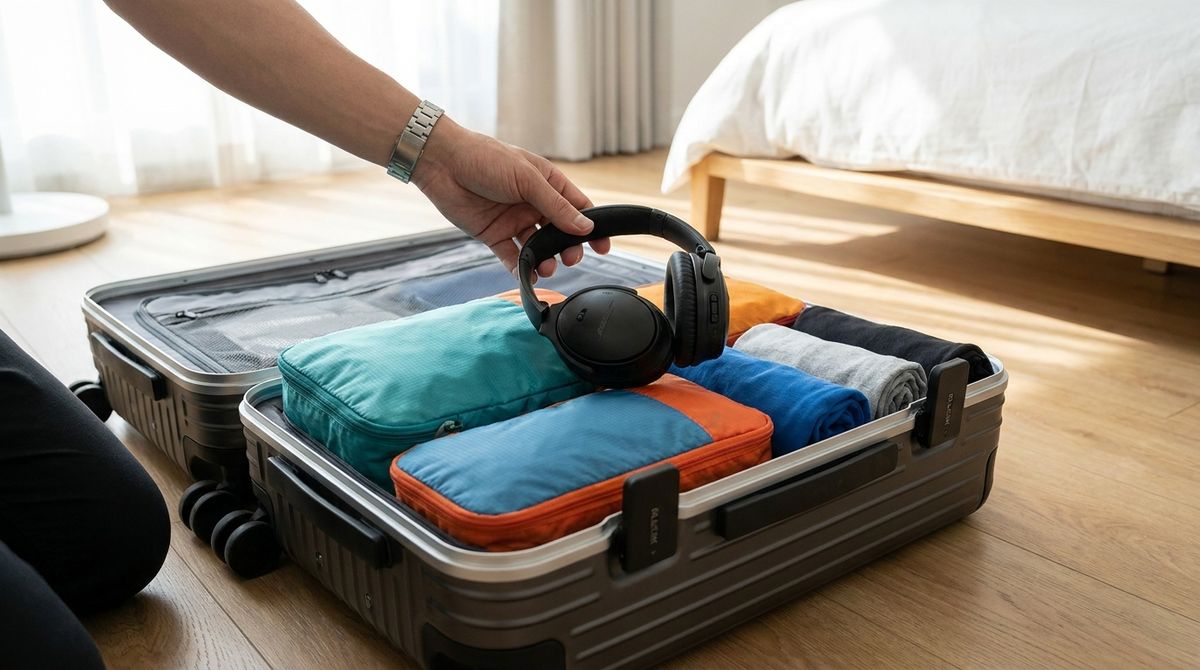
Use soft packing cubes or a folding pouch to separate the clothes from the documents. A clear pocket for the ticket keeps it easy to show without digging. A tidy bag feels lighter, even when the weight stays the same, and that small comfort matters during a rushed walk across a busy terminal. Check the zips and handles once a month so that a broken fastening does not surprise you in an airport.
Choosing Items for a Changed Plan
Gate changes often add a long walk or a short wait, so comfort items deserve space. Bring a compact snack that will not melt, a refillable bottle and a small book or downloaded show for the delay. Medication should always travel in its original container with the label visible, kept in the top section. Packing these items in one place means they can be retrieved quickly, even when the bag is already on a shoulder.
Think carefully before packing liquids or sharp objects in a carry-on, because security rules can change from one airport to another. Check the official website of the airport before the trip for current guidance. Pack anything that might be restricted in a checked bag where possible, or leave it at home. You can also visit thehomepicz.com for more reading.
Keeping Electronics Ready to Use
Electronics are the most common source of delay at a security check or a crowded gate. Store the laptop in an easy pocket, keep the cable organized in a small case and carry a power bank that is charged before leaving home. For a related read on this site, see Reading Dashboard Warning Lights Without Panic. Test the phone’s downloads and boarding notifications before the trip so they work on a poor connection.
Remember that a fully charged device is only useful if it stays in view. Place the phone in a pocket that does not require removing the bag, and set an alarm for each boarding window. A calm routine with the devices keeps the day from turning into a scramble.
Making Space for Surprises
A carry-on should leave room for a small surprise, such as a bag of fruit from a market or a souvenir. Compression pouches can free up space by squeezing out air from soft items. Plan for a jacket or scarf that can be worn during a cold walk to the new gate. Leaving some empty space in the main compartment also makes it easier to close the bag after a security check. Keep a small pouch for trash and used tissues, so the main compartment stays clean during a long wait at the gate.
Avoid overpacking the top of the bag, since heavy items there can strain the zip and shift during the walk. Keep the heaviest objects close to the back panel, where they feel most balanced. Test the weight by lifting the packed bag for a full minute before leaving, and move anything that makes the strap dig in. A bag that sits well on the shoulders is far easier to carry when the plan changes at the last minute.
A Bag That Follows the Journey
A well-packed carry-on is less about perfection and more about flexibility. When the gate changes, the traveler who knows where the charger, the pass and the water are can simply move on. Build the packing habit gradually, check the official notices before departure and let the bag do its quiet job without drama.
About Post Author



