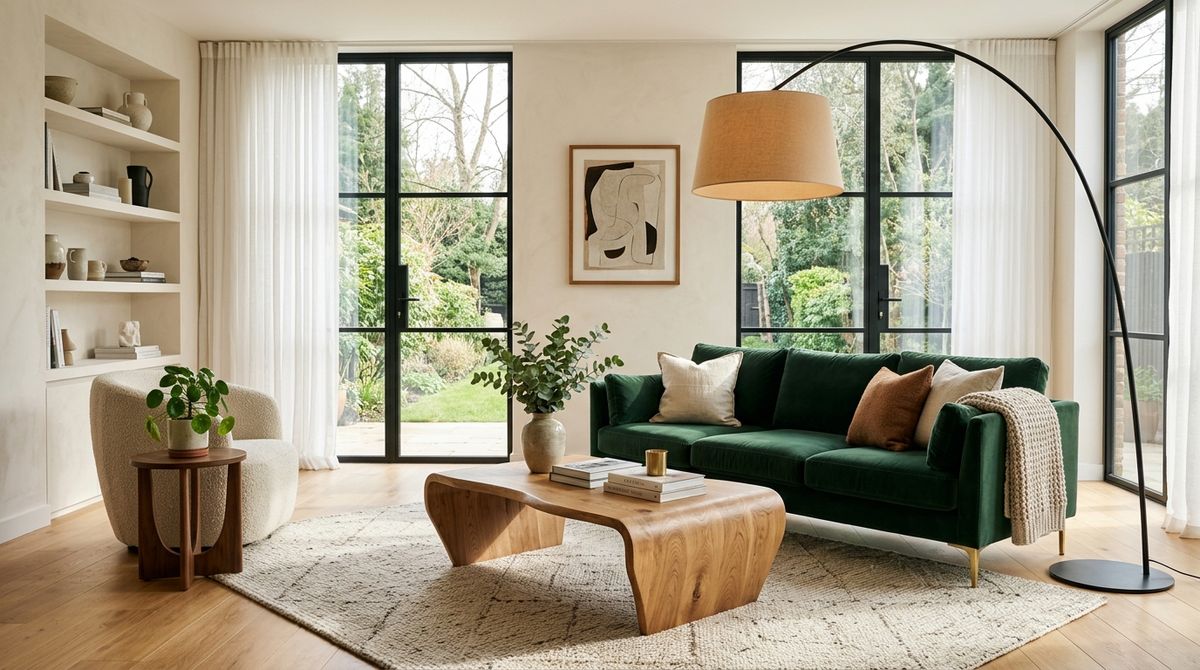
The feeling of a home often hinges on elements that seem subtle at first glance, yet profoundly influence the daily experience. Lighting, in particular, acts as the invisible anchor for the mood of a space. When the sun dips below the horizon or when the natural light in a room shifts, the artificial illumination we choose determines whether a space feels welcoming and serene or stark and demanding. Transitioning from harsh, singular light sources to a more layered, soft approach can change how you experience your living environment, making it a place of true restoration.
Achieving a balanced atmosphere does not require major renovations or expensive equipment. Instead, it involves observing how light moves through your home and making intentional adjustments to the fixtures you already have. By focusing on the quality, direction, and warmth of the light, you can cultivate an environment that encourages relaxation, focus, or connection, depending on the needs of the room and the time of day.
The Impact of Soft Light on Daily Life
Light has a direct effect on our sense of comfort. Harsh, overhead lighting tends to flatten the contours of a room, creating a sterile environment that can make it difficult to unwind after a demanding day. Soft, diffused light, on the other hand, mimics the gentler transitions of natural light, which helps the body and mind prepare for rest or leisure. When you soften the lighting, you reduce the visual clutter that often contributes to feelings of unease in our shared living spaces.
Many people find that their productivity and mood improve simply by moving away from bright, white bulbs in favor of those with a warmer color temperature. This small adjustment shifts the palette of the room, adding a golden quality that makes surfaces feel warmer and more inviting. The goal is to create a consistent, gentle glow that blankets the room without casting harsh shadows, allowing the space to feel cohesive rather than fragmented.
Understanding Natural Light Patterns
Before introducing new light sources, take time to observe how natural light behaves in your rooms during the day. Some spaces may receive abundant morning sun, while others rely on reflected light from adjacent structures. Understanding these patterns allows you to determine where your artificial light is most needed and where it might be redundant. If a room is naturally bright during the day, your focus should remain on creating a comfortable transition for the evening hours.
Consider the placement of your furniture in relation to these light sources. A reading nook that feels perfect in the morning might feel exposed and cold by the afternoon. By adjusting the positioning of chairs or tables, you can capitalize on the best light of the day. This type of thoughtful observation is the foundation for a truly comfortable home, ensuring that you are not fighting against the natural character of your rooms.
Layering Your Sources for Depth
Lighting a room effectively requires more than a single fixture. A layered approach involves using different types of light—ambient, task, and accent—to create depth. Ambient light provides the base illumination for a room, task lighting focuses on specific areas like desks or kitchen counters, and accent lighting highlights decor or architectural features. When you combine these layers, you can adjust the intensity and focus of the light based on the activity taking place.
When you start focusing on the ambiance of a room, you quickly realize how much lighting impacts the overall feel. For those looking for creative ways to arrange fixtures or select pieces that complement specific architectural styles, Groliehome offers a wealth of ideas on how to approach these interior design decisions. By mixing floor lamps, table lamps, and wall fixtures, you create a dynamic environment that can be altered to suit the mood of the moment.
Practical Steps for Layering
- Use lamps with warm bulbs to create a gentle glow
- Incorporate fabric lampshades to diffuse light evenly
- Add dimmers to existing fixtures for better control
- Group light sources together to illuminate corners
- Consider the direction of the light to highlight textures
By experimenting with the placement of these sources, you can ensure that the light is distributed in a way that feels natural. The objective is to avoid pools of intense light surrounded by deep darkness, which can be disorienting. A well-layered room feels balanced, with no single point of light dominating the space.
Balancing Furniture and Textures
Beyond just the light source itself, the way objects reflect or absorb that light changes how a room is perceived. Dark, matte surfaces absorb light, making a room feel smaller and more intimate, while lighter, reflective surfaces bounce light around, creating a sense of openness. Choosing furniture finishes that complement your lighting plan is essential for maintaining a harmonious environment throughout your living areas.
If you need practical guidance on maintaining your living spaces or want tips on choosing the right furniture finish to soften harsh lighting, Revamphomegoods.com provides helpful maintenance tips and inspiration for refreshing your home environment. A wooden surface, for example, will react very differently to lamp light than a metallic or glass surface. Understanding these interactions allows you to curate a space that feels intentional and visually balanced, regardless of the light source.
Preparation and Planning
Before diving into major changes, it is always wise to have a clear vision for the space. You might find it useful to review a thoughtful approach to your next home improvement as a reference for organizing your thoughts and materials before making any permanent changes to your layout. Planning ensures that your modifications serve a purpose and contribute to the overall comfort of the room, rather than simply adding to the existing clutter.
Start by identifying the areas in your home that feel the most uncomfortable or uninviting. This might be a living room that feels too cold at night or a kitchen that feels too harsh during meal preparation. By pinpointing these issues, you can prioritize your efforts and focus on the adjustments that will yield the most significant improvements in your daily comfort.
Sustaining a Calming Environment
Creating a calm atmosphere is not a task with a definitive end. It is an ongoing process of assessment and adjustment. As the seasons change, the way light interacts with your home will also evolve. Being mindful of these shifts allows you to adapt your lighting and decor to ensure that your home remains a sanctuary. Regularly reassessing the balance of your rooms ensures that your environment continues to support your well-being.
Ultimately, the goal of these changes is to enhance the functionality and comfort of your living space. By paying attention to the details of light, texture, and furniture, you can transform your home into a place that feels uniquely yours. This intentional approach to your environment fosters a sense of tranquility, making your home a more supportive and enjoyable place to spend your time.
About Post Author



