The kitchen often serves as the central hub of a household. It is a space where preparation, connection, and daily routines converge. Improving this area requires thoughtful consideration of how structural elements, organizational tools, and workflow patterns contribute to a more efficient home environment. Whether you are looking to refresh the aesthetic or enhance the overall functionality, a systematic approach helps you focus on what truly matters for your daily life.
Planning Your Kitchen Transformation
Before beginning any changes, take time to observe how you move through your current space. Identify areas where movement feels restricted or where items seem misplaced. A successful transformation relies on understanding your specific habits. Do you frequently reach across the kitchen to find basic utensils? Is there enough space to set down groceries comfortably when you return home? Observing these patterns allows you to make decisions based on real usage rather than theoretical ideals.
Consider the flow of light and the accessibility of essential tools. Natural light can make a compact kitchen feel much more open and welcoming. If the current layout feels cramped, think about how rearranging furniture or small storage units could improve the path between the refrigerator, the sink, and the cooking area. Small, intentional changes in placement often yield better results than complete overhauls, allowing you to gradually adapt the space to your changing needs.
Upgrading Fixtures and Hardware
Updating hardware is a practical way to breathe new life into a room without undertaking major structural modifications. Swapping out cabinet handles, drawer pulls, or the faucet can alter the feel of the room while offering improved durability and ease of use. When selecting new fixtures, prioritize materials that are easy to clean and resistant to the wear and tear common in active kitchens.
For those interested in how these structural details integrate into a broader home improvement plan, you can find valuable structural advice at lonestarborger.com for your next project. Focusing on quality hardware not only adds a aesthetic touch but also ensures that the most frequently used components of your kitchen remain reliable and functional over time. Look for finishes that complement your existing surfaces and consider the ergonomics of how each piece feels when handled daily.
Maximizing Kitchen Storage Efficiency
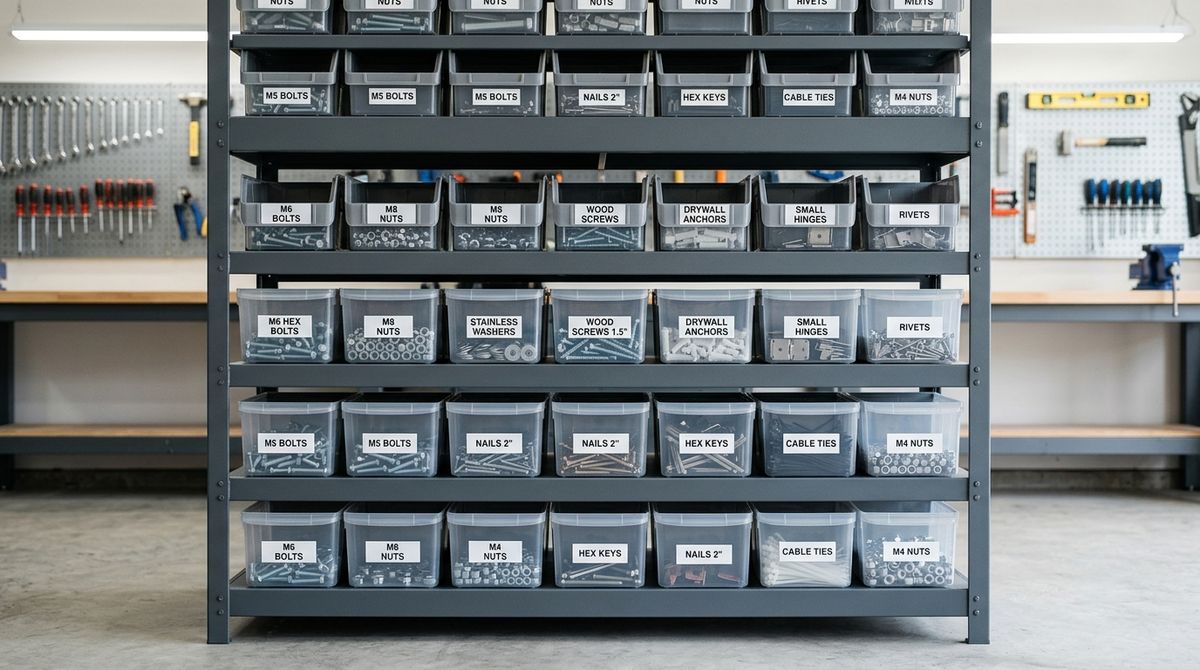
Effective storage is the foundation of a organized kitchen. Clutter often accumulates when there is no designated spot for every item, leading to frustration during meal preparation. Begin by assessing what you use daily versus what is only needed occasionally. Keep frequently used items at eye level or within easy reach, while reserving higher or lower cabinets for seasonal appliances and less common tools.
Adding modular organizers, shelf dividers, or drawer inserts can help maintain order even in small spaces. Investing in quality organizational tools from The Kitchen Store Online.com can streamline your daily routines. These additions make it easier to locate ingredients and equipment, saving time and energy. Remember that the goal is not to fill every available inch but to create a system where finding what you need feels effortless, reducing the mental effort required to maintain a tidy environment.
Establishing Functional Work Zones
Dividing the kitchen into specific zones is a highly effective way to improve workflow. Create a dedicated space for prep work, another for cooking, and a separate area for cleanup. This separation prevents overlapping activities, allowing multiple tasks to occur more smoothly if others are in the room. For instance, keeping cleaning supplies near the sink and chopping tools near your main work surface simplifies movement and reduces backtracking.
Much like the principles used when managing a busy kitchen workspace effectively, organizing a kitchen involves prioritizing frequently used items and grouping related tasks. When you establish clear boundaries for different activities, you create an environment that supports focus. If you find that prep areas often become cluttered with non-essentials, consider moving those items to a designated secondary spot, keeping your primary work surfaces clear for actual cooking and preparation.
Essential Maintenance for Longevity
Once you have improved your layout and storage, consistent maintenance ensures that these changes serve you well for the long term. Develop a simple routine for checking appliances, cleaning surfaces thoroughly, and addressing minor issues like loose hinges or leaky connections before they become significant problems. Keeping up with these tasks prevents the gradual buildup of wear, allowing you to enjoy the improved functionality of your space without frequent interruptions or the need for emergency fixes.
Regular maintenance also includes being mindful of how you treat your fixtures and surfaces. Simple habits, such as wiping down countertops immediately after use or ensuring heavy items are stored securely, help protect the surfaces and hardware you have invested in. A well-maintained kitchen reflects a balanced home environment, where the space is respected and managed with care. By dedicating just a small amount of time to these habits, you maintain the utility and comfort of your kitchen, keeping it a pleasant place for all your daily activities.
Transforming your kitchen is a rewarding process that focuses on aligning your home environment with your personal needs. By thoughtfully planning your layout, upgrading essential components, maximizing your storage, and establishing functional work zones, you create a space that genuinely works for you. Take these steps gradually, allowing the kitchen to evolve into a more comfortable and efficient part of your daily home experience.
About Post Author



