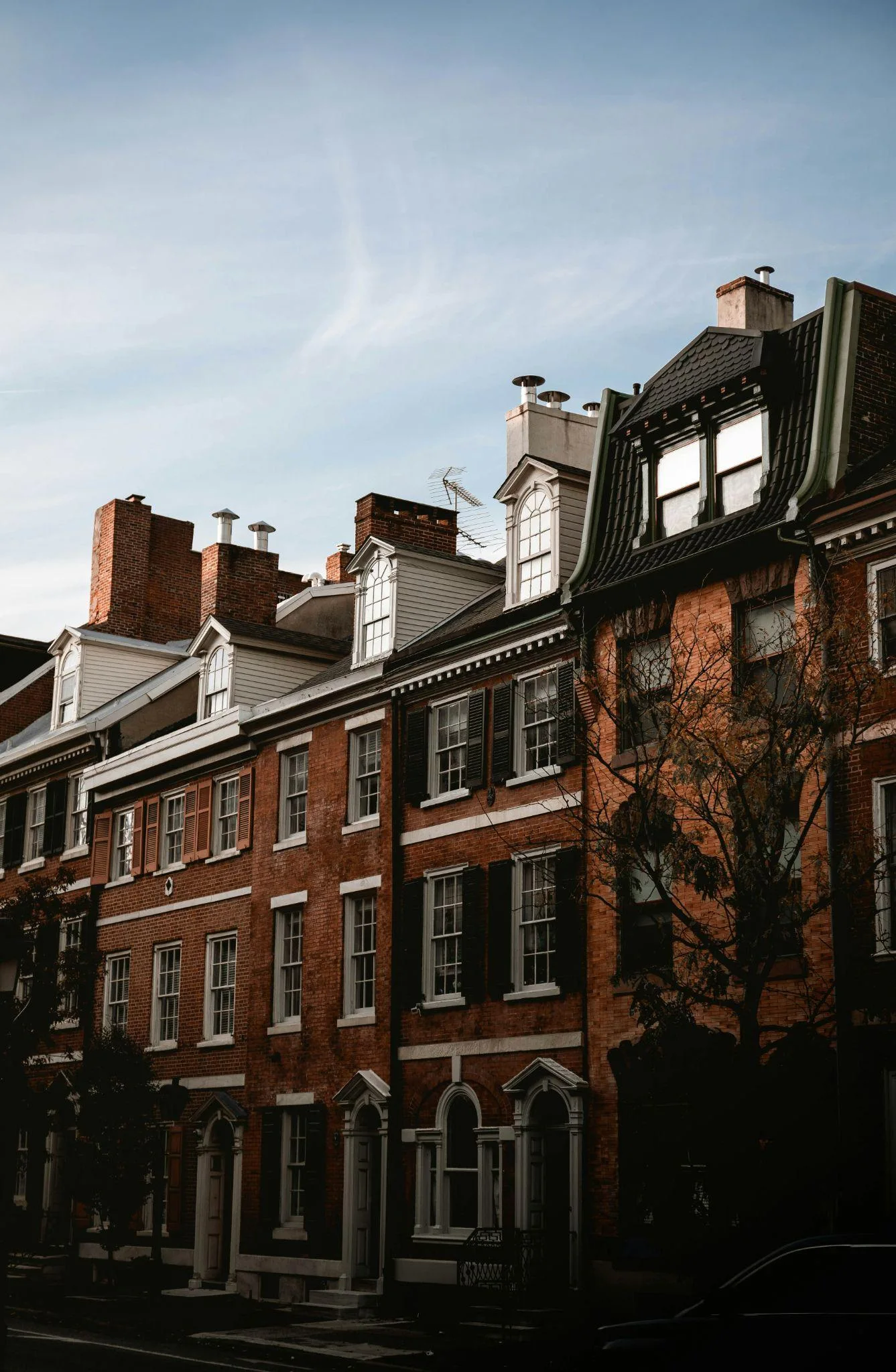
Photo By: Bryan Angelo
Philadelphia’s historic homes are admired for their distinctive architecture, from traditional brick rowhouses to Victorian-era residences and early 20th-century properties. But behind the charm of these buildings are aging systems that may not meet the demands of modern living. Among the most overlooked are the chimneys, many of which were constructed more than a century ago using methods that differ significantly from those used today.
Understanding how these chimneys were built, why they present unique challenges, and how modern inspection methods can help maintain them is essential for homeowners looking to protect their properties.
Built for a Different Era
During the late 1800s and early 1900s, coal was a primary heating fuel in many Philadelphia homes. Chimneys were designed to carry smoke and combustion gases from coal-burning furnaces, fireplaces, and stoves safely outside.
Unlike many modern chimney systems, historic chimneys often consisted of brick masonry shafts with no protective flue liner. Others contained clay tile liners that have since deteriorated due to decades of exposure to heat, moisture, and changing weather conditions.
These structures were designed around the heating technology and construction practices of their time. However, as homeowners transitioned from coal to oil, natural gas, and other modern heating systems, many continued using their original chimneys without fully accounting for the changes in venting requirements.
That difference can create safety and performance concerns that are not always visible from the outside.
Why Modern Heating Systems Create Challenges
A chimney is more than a brick structure extending above a roof. It is a critical part of a home’s ventilation system, responsible for carrying combustion byproducts away from living spaces.
Modern heating appliances can produce exhaust with different temperatures, moisture levels, and flow characteristics than older coal-burning equipment. When an existing chimney is not compatible with the connected appliance, condensation may accumulate inside the flue, contributing to corrosion, damaged mortar, and deteriorating masonry.
Cracks, gaps, or an unsuitable flue can also allow combustion gases to escape into surrounding areas. Depending on the circumstances, these conditions can create serious risks, including exposure to carbon monoxide.
For this reason, homeowners should not assume that a chimney that has served a property for generations is automatically safe for a newly installed furnace or other heating appliance. Its condition and compatibility should be evaluated by a qualified professional.
The Importance of Flue Liners
One of the most significant differences between historic and modern chimney systems is the flue liner. This internal barrier provides a defined passage for exhaust gases and helps protect the surrounding masonry and nearby building materials.
Older chimneys may have been built without liners, while others have clay liners that have cracked, shifted, or deteriorated over time. In either case, an inspection can help determine whether the existing system remains suitable for its intended use.
Depending on the chimney’s condition and the appliance it serves, a professional may recommend repairs, a properly sized liner, or another approved venting solution. The appropriate approach depends on the structure, appliance specifications, and applicable building and safety requirements.
Weather and Age Take Their Toll
Philadelphia’s seasonal weather can accelerate chimney deterioration. Rain, snow, freezing temperatures, and repeated freeze-thaw cycles gradually wear down masonry, particularly when water enters through damaged crowns, deteriorated mortar joints, or faulty flashing.
Over time, homeowners may notice loose bricks, crumbling mortar, white mineral deposits, or water stains near a fireplace or chimney wall. However, some of the most significant problems develop inside the flue, where they cannot be easily seen from the ground.
Regular inspections can help identify developing concerns before they lead to more extensive repairs. Maintaining the chimney’s exterior is important, but evaluating its internal condition is equally essential.
How Technology Is Changing Chimney Inspections
As inspection methods evolve, technology is creating new opportunities to assess aging chimney systems. The Chimney Scientists, one of Philadelphia’s largest chimney companies led by Joe Ochal, is incorporating artificial intelligence (AI) tools to help address the challenges associated with historic chimneys.
The company uses AI-powered tools to analyze chimney images, flag potential underlying issues, and help technicians understand applicable building codes. These tools can support the inspection process by highlighting areas that may require closer attention and helping technicians evaluate older systems against modern requirements.
For historic properties, this approach can be particularly useful because problems are not always immediately apparent. Image analysis may help identify visible signs of deterioration or other potential concerns, while code-related tools can assist technicians in determining what requirements may apply to a particular installation.
AI does not replace a professional inspection or the experience needed to evaluate structural conditions and make safety decisions. Instead, it provides an additional resource that can help qualified technicians investigate concerns and determine appropriate next steps.
By combining traditional chimney expertise with technology-assisted analysis, The Chimney Scientists is applying a modern approach to the challenges of maintaining Philadelphia’s aging chimney infrastructure.
Preserving Historic Homes Safely
Maintaining a historic chimney requires balancing preservation with modern safety expectations. Depending on the findings of an inspection, necessary work may include repairing mortar joints, addressing water intrusion, restoring damaged masonry, or installing a suitable flue liner.
Homeowners should arrange an inspection when purchasing an older property, replacing a heating appliance, returning an unused chimney to service, or noticing signs of deterioration. Unusual odors, smoke entering living spaces, or a carbon monoxide alarm also warrant immediate attention. If carbon monoxide exposure is suspected, occupants should leave the building and contact emergency services.
Philadelphia’s historic chimneys are part of the city’s architectural legacy, but their age and original design mean they require specialized care. Understanding their limitations, maintaining their structure, and using modern inspection methods can help homeowners protect both their safety and their property’s historic character.
With the right combination of professional expertise, preventive maintenance, and evolving technology, these enduring structures can continue to serve Philadelphia homes for years to come.
About Post Author