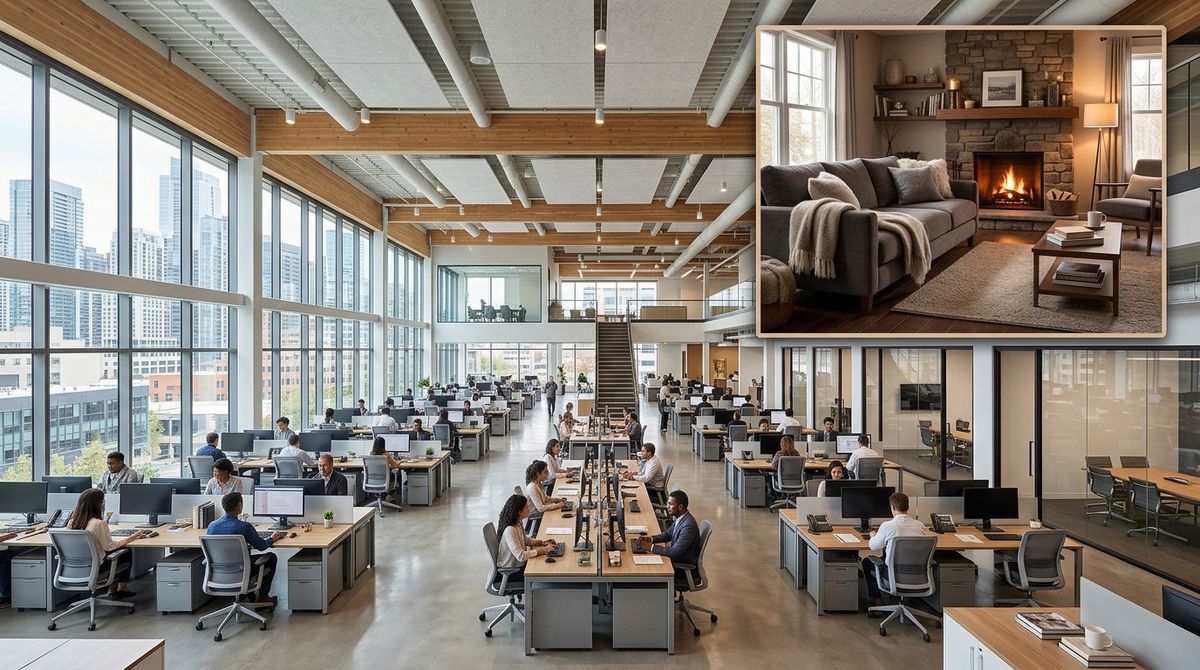
Creating a dedicated space for professional work within the comfort of your own home requires more than just adding a desk to a corner. It involves intentional design choices that balance functionality, comfort, and the necessary separation between your personal life and your career pursuits. When your environment is thoughtfully arranged, it becomes a powerful tool that helps you sustain focus, manage your energy levels, and approach your daily tasks with clarity.
Assessing Your Available Living Space
Before making any changes to your home, it is essential to take a step back and view your living area with fresh eyes. Consider how your existing rooms are currently used and identify areas that possess the quietness or natural light required for productive work. You do not necessarily need a separate office; rather, you need a zone that you can mentally associate with professional activity. This process of re-evaluating your home environment often reveals untapped potential within your property that can be optimized for better utility. For those interested in exploring how certain home features can influence both livability and workspace planning, resources like cashbuffalo.org provide insights into understanding residential spaces and their unique capabilities.
When selecting your workspace location, prioritize areas that minimize distractions. A room away from high-traffic zones, such as kitchens or main living areas, is ideal. If that is not an option, consider using visual dividers or soft furnishings to create a sense of enclosure. The goal is to establish a physical boundary that helps you switch into a working mindset as soon as you enter the space. Ensure that the lighting is sufficient for your tasks, and check that your setup allows for proper posture, as comfort is critical for maintaining long-term productivity without physical strain.
Cultivating a Truly Professional Atmosphere
The atmosphere of your workspace directly influences your professional output and your attitude toward your tasks. A cluttered or disorganized area can lead to a scattered mind, while a clean, intentional space promotes focus. Start by defining what professional tools you actually need on a daily basis. Keep only those items within reach, storing others away to minimize visual noise. Choosing ergonomic furniture that fits your specific needs is a worthwhile investment, as it supports your ability to work consistently over time without fatigue.
In addition to physical organization, the way you structure your business approach matters just as much as the physical desk itself. Adopting efficient workflows and professional habits is what allows a home-based career to thrive rather than just survive. If you are looking for guidance on how to refine your business strategies or enhance your professional growth, exploring expert perspectives can be very beneficial. A team of advisors focused on business success, such as those featured at extramoneyinfo.net, can offer valuable frameworks that help clarify your objectives and streamline your path to success.
Managing Your Daily Environment
Maintaining a professional environment requires more than just the initial setup; it demands ongoing effort. As you spend time in your home office, items will naturally accumulate, and your organizational system may need adjustment. It is helpful to adopt simple, daily habits that prevent clutter from overwhelming your space. By keeping surfaces clear and ensuring that every item has a designated place, you reduce the time spent searching for things and increase the time available for meaningful work. This practice of tidiness is deeply connected to your overall domestic comfort.
If you find that your professional space is frequently interrupted by household disarray, it may be time to revisit how you organize your entire home. A more structured approach to your living environment often leads to greater mental clarity and less stress in all areas of life, including your career. We have previously shared guidance on cultivating household order for financial peace, which offers practical steps for creating a more serene domestic setting that supports your broader personal and professional goals.
Establishing Boundaries and Routines
Even with the most perfect desk and the most organized room, professional success at home depends largely on the boundaries you establish. Without a clear distinction between working hours and personal time, it is easy for the two to blur, leading to burnout. Create a routine that signals the start and end of your workday. This could be as simple as changing into a different set of clothes, making a cup of tea before you begin, or closing the door to your workspace when you finish for the day.
To help maintain these boundaries, consider implementing the following practices:
- Create a consistent start time that signals the beginning of your professional tasks.
- Use a physical object, such as a specialized lamp or notepad, that you only use during work hours.
- Communicate your working schedule clearly to those who share your living space.
- Take short, scheduled breaks away from your desk to rest your eyes and stretch.
- Ensure your workday has a definitive conclusion so you can mentally transition to personal time.
These practices act as anchors, keeping your focus where it needs to be when you are working, and allowing you to fully relax when you are not.
Sustainable Habits for Long-Term Focus
Sustainability is the cornerstone of a successful long-term career. It is better to have a steady, consistent pace of work than to alternate between periods of intense, unsustainable effort and complete exhaustion. Regularly review your habits and your workspace to see if they still serve your needs. As your career demands change, your physical setup and your daily routines should evolve to accommodate those shifts. By remaining flexible and mindful of your own energy levels, you ensure that your home office remains a supportive environment that facilitates your growth rather than hindering it.
Remember that your environment is not static; it changes as you do. Periodically check in with yourself to ensure that your space still feels functional and motivating. If you feel your focus waning or your routine becoming stale, take the time to reorganize your materials or adjust your schedule. This proactive approach to maintaining your space and your habits is what eventually turns a simple area of your home into a cornerstone of your professional journey.
About Post Author



