Hitting the open road to document a journey brings a unique sense of creative freedom. Capturing dynamic scenery, changing weather, and spontaneous personal moments allows creators to share genuine travel experiences. However, turning a casual road trip into a polished video and sound story requires thoughtful organization. Without proper planning, technical mishaps, poor weather, or overlooked gear can quickly compromise your footage and audio recordings.
A successful mobile production balances creative ambition with grounded preparation. From selecting dependable hardware that endures constant travel to making sure your transport gets you safely to every scenic overlook, every element matters. By establishing reliable routines before departure, you can focus on storytelling while keeping your equipment safe and your workflow smooth throughout the expedition.
Selecting the Right Visual Equipment for Travel
When packing visual gear for travel, mobility should take precedence over unnecessary accessories. Heavy tripods, bulky lighting kits, and delicate lenses often slow down movement and clutter vehicle storage. Instead, prioritize a compact setup that allows you to start recording within moments of finding a scenic spot. Look for camera bodies that provide dependable internal image stabilization, responsive autofocus, and long battery endurance under varied outdoor temperatures.
Portability does not mean compromising on image fidelity. Many travelers prefer lightweight mirrorless systems or specialized pocket rigs that excel in both wide landscape capture and handheld vlog segments. For detailed comparisons of portable recording gear and feature breakdowns, you can consult bestcameraworld.com before investing in your travel kit. Choosing the proper tool early ensures you spend less time adjusting complex settings and more time observing the landscape around you.
It is equally important to safeguard your visual hardware against environmental challenges. Dust along dirt roads, moisture from coastal fog, and sudden temperature shifts inside a parked vehicle can damage sensitive sensors and delicate electronic switches. Store your primary body and spare lenses in padded, weather-resistant cases, and always keep microfiber cloths and a manual air blower close at hand for swift field cleanings.
Capturing and Monitoring Clean Sound in the Field
Visuals may draw viewers in, but poor audio quality will drive them away almost immediately. Wind noise across open plains, cabin rumble on highway asphalt, and unexpected environmental hum can ruin what would otherwise be a stunning recording. Relying on an internal camera microphone rarely yields satisfactory results because built-in capsules capture every mechanical vibration and breeze.
A compact wireless clip-on microphone or a directional shotgun microphone equipped with a furry windscreen provides much cleaner voice isolation. Position the microphone as close to the sound source as practical to minimize background clutter. If you record ambient natural soundscapes, such as ocean waves, river streams, or rustling forest trees, consider using a dedicated handheld field recorder with adjustable gain controls to avoid clipping.
Monitoring your audio in real time through closed-back headphones is an essential habit that prevents unpleasant surprises. Digital audio distortion cannot be easily fixed after the fact. Taking several moments to adjust input levels before you press the record button will save hours of frustration during the eventual post-production review.
Preparing Your Vehicle for Remote Production Trips
A dependable vehicle serves as your mobile production hub, base camp, and gear locker. Before departing on a filming expedition, you must ensure that your transport is mechanically sound and capable of handling challenging road conditions. Simple mechanical failures or visibility issues can delay your shooting schedule or strand sensitive equipment in harsh conditions far from professional assistance.
Visibility remains a paramount safety factor when navigating winding mountain roads or driving during early dawn shoots. Cold mornings and humid valleys frequently cause exterior glass and mirrors to mist up, obstructing your view of surrounding terrain and passing vehicles. Taking time to inspect your car helps maintain safe transit; you can review our practical guide to testing heated door mirrors to make sure your mirrors perform reliably when condensation strikes.
In addition to mirror checks, organize your vehicle interior so that essential items remain readily accessible without creating driving hazards. Unsecured cases and loose camera mounts can become dangerous projectiles during sudden braking. Use cargo nets or secure straps in the trunk to hold heavy gear cases firmly against the vehicle floor, keeping the passenger cabin neat, comfortable, and safe.
Essential Habits for Efficient Field Production
Executing a creative project on the go demands discipline and clear operational routines. Establishing standardized daily procedures protects your creative work and prevents costly equipment oversights. When you establish simple daily routines, creative work flows naturally without constant worry over lost footage or drained batteries.
Consider adopting these fundamental operational habits throughout your journey:
- Back up all memory cards to two separate external drives every evening before going to sleep.
- Clean camera lenses and protective filters each morning to remove accumulated road dust and fingerprints.
- Recharge all primary camera batteries, auxiliary lights, and wireless audio transmitters overnight.
- Label memory cards clearly to separate blank storage from cards containing captured media.
- Format memory cards only inside the camera body after confirming that duplicate backups exist.
Maintaining this strict routine creates confidence and peace of mind. Knowing that yesterday’s footage is safely stored in duplicate allows you to face the new shooting day with full creative focus, free from the lingering anxiety of accidental file deletion or hardware exhaustion.
Setting Up an Organized Editing and Review Space
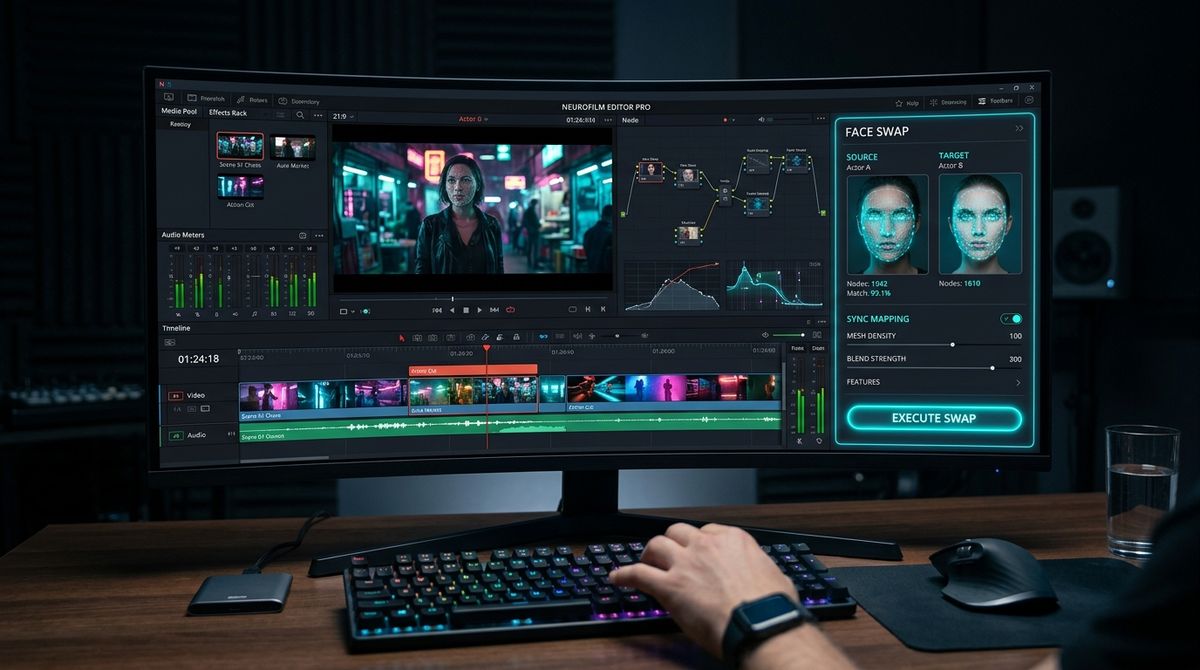
Once you return from the road, the storytelling process transitions to the editing desk. Sorting through hours of scenic video clips and layered field audio requires an environment designed for concentration and accurate evaluation. A cluttered, noisy room makes it difficult to detect subtle audio anomalies, uneven vocal levels, or color balance discrepancies between different shooting locations.
Accurate sound reproduction is vital when cutting together dynamic road trip sequences with ambient environmental sounds and background music. Evaluating your mix on balanced desktop monitors helps you identify frequency conflicts and harsh resonances that cheap computer speakers mask. If you are refining your listening room or choosing dedicated playback hardware, resources like 10speakers offer helpful insight into equipment that delivers faithful acoustic reproduction across different room environments.
Organize your digital files systematically by date, location, and camera angle before cutting your initial timeline. Creating structured folder trees and standardized file labels might seem tedious during the first hour at the desk, but it prevents misplaced media and speeds up your editing rhythm significantly.
Documenting a journey through thoughtful visual and sound production offers a rewarding way to preserve experiences and inspire others. Success lies in balancing artistic curiosity with diligent preparation, reliable travel transport, and structured daily workflows. By taking care of your gear, your vehicle, and your media along the way, you ensure that every mile traveled translates into a compelling story worth revisiting.
About Post Author



