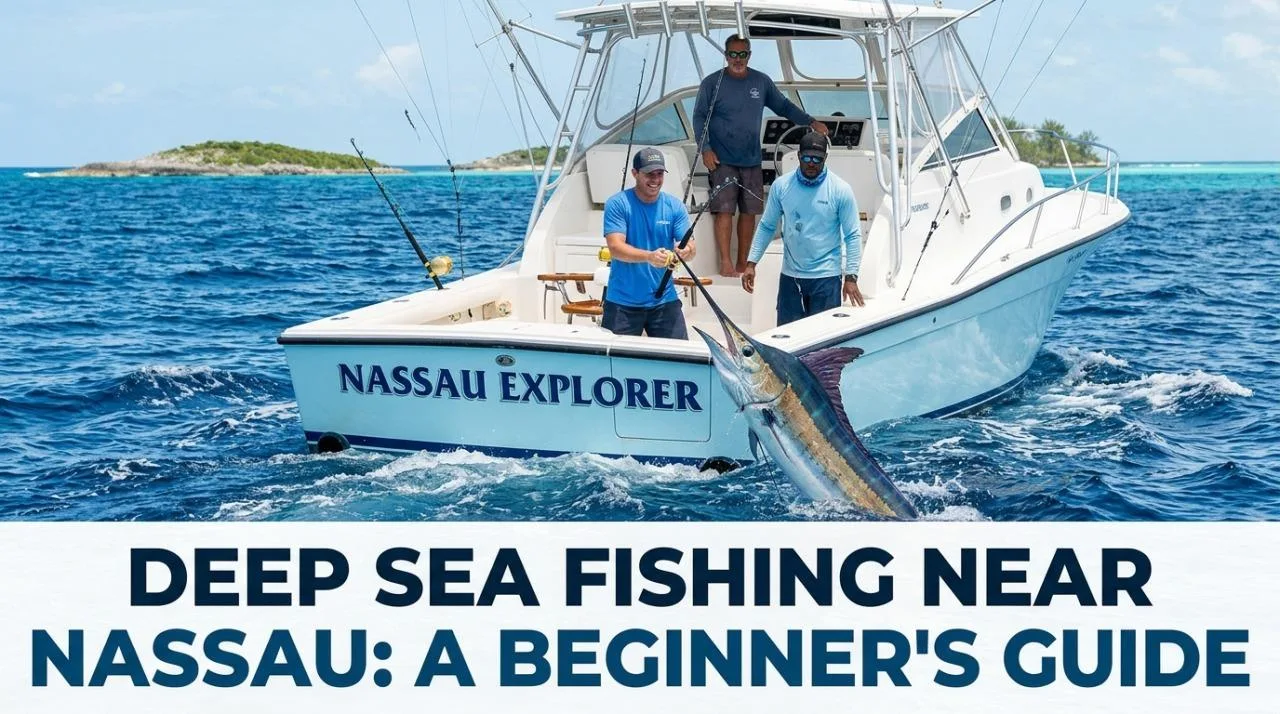
Offshore angling in New Providence offers a rare combination of immediate deep-water access and a high concentration of pelagic game fish. Unlike many coastal destinations that require hours of transit just to reach pelagic grounds, Nassau sits directly adjacent to one of the most dramatic underwater drop-offs in the Atlantic basin. Whether you are stepping onto a sportfish charter for the very first time or looking to understand how regional currents and seasonal shifts dictate the bite, navigating the offshore waters surrounding New Providence requires a basic grasp of local oceanography, target species, charter mechanics, and proper trip preparation.
This comprehensive guide details everything first-time anglers need to know about planning an offshore excursion, from bottom topography and seasonal fish runs to equipment styles, pricing expectations, and onboard etiquette. When booking deep sea fishing nassau charters, understanding trip structures ensures you select the right duration for your goals.
The Unique Geography of New Providence Offshore Waters
The single greatest geographical feature defining offshore angling in Nassau is its proximity to the Tongue of the Ocean (TOTO). The Tongue of the Ocean is a massive, deep-water trench separating the islands of New Providence and Andros.
-
Shallow Bahama Bank: Features shallow, crystal-clear turquoise waters averaging 15 to 30 feet in depth around the immediate shoreline.
-
The Coral Reef Crest: Borders the outer rim of the bank, transitioning into deeper water channel pockets.
-
The Drop-Off / Wall: A sheer underwater cliff where the sea floor drops vertically just a mile or two off the northern and western shores of New Providence.
-
Tongue of the Ocean Basin: Reaches depths exceeding 6,000 feet within a short boat ride from major local marinas.
Within a 15-minute boat ride from major harbors, depths plummet from 60 feet to over 6,000 feet. This dramatic wall structure creates powerful upwellings where nutrient-rich, cold water from the abyss rises to mingle with sunlit surface currents. This process attracts baitfish, which in turn draws top-tier oceanic predators. Consequently, captains can begin trolling for big game within minutes of clearing the harbor channel.
Primary Target Species and Seasonal Runs
While warm tropical waters host pelagic species year-round, distinct seasonal migrations dictate which fish are most abundant during specific months.
Seasonal Peak Overview
-
November – February: Peak season for Wahoo, Sailfish, and Great Barracuda.
-
March – June: Peak season for Mahi-Mahi (Dorado) and White Marlin.
-
May – August: Peak season for Blue Marlin and Yellowfin Tuna.
Target Species Profiles
1. Wahoo (Acanthocybium solandri)
-
Peak Season: November through February (Cooler Water Months)
-
Characteristics: Known as one of the fastest fish in the ocean, capable of bursts exceeding 50 mph. Wahoo are prized for their razor-sharp teeth, aggressive strikes, and high-quality white meat.
-
Technique: High-speed trolling at 12 to 18 knots using heavy wire rigs, lead weights, and artificial skirted lures or ballyhoo.
2. Mahi-Mahi / Dorado (Coryphaena hippurus)
-
Peak Season: March through June (Spring Migration)
-
Characteristics: Celebrated for their vibrant green and yellow coloration, acrobatic jumps when hooked, and exceptional culinary value. Mahi-Mahi travel in schools, meaning multiple hookups often occur simultaneously.
-
Technique: Standard surface trolling at 6 to 8 knots using fresh ballyhoo paired with colorful skirts around floating debris, weed lines (Sargassum), or current rips.
3. Yellowfin and Blackfin Tuna (Thunnus)
-
Peak Season: April through July
-
Characteristics: Powerful pelagics that fight hard in deep water. Blackfin Tuna remain smaller (10–30 lbs) and more common near the drop-off, while Yellowfin Tuna (50–100+ lbs) roam deeper offshore channels.
-
Technique: Trolling bird-and-squid chains, chumming with live bait (chunking), or casting surface poppers into active bird radar blitzes.
4. Billfish: Blue Marlin, White Marlin, and Sailfish
-
Peak Season: April through July (Blue Marlin peak in June/July; Sailfish appear late winter)
-
Characteristics: The pinnacle of offshore sportfishing. The Blue Marlin is the national fish of The Bahamas, famous for extreme power, deep runs, and spectacular aerial displays.
-
Technique: Trolling large artificial lures or rigged natural baits from outriggers along the main trench drop-off. Billfish are almost universally treated as catch-and-release target species.
Detailed Seasonal Target Matrix
Selecting the right month for your trip ensures your targets align with peak migratory patterns.
| Species | Primary Depth Zone | Average Size Range | Peak Availability Months | Primary Bait/Lure Style |
| Wahoo | 100 – 600 ft along edge | 25 – 65 lbs | November to February | High-speed artificials & weighted ballyhoo |
| Mahi-Mahi | Surface to 200 ft | 10 – 35 lbs | March to June | Trolled rigged ballyhoo & plastic skirts |
| Yellowfin Tuna | 200 – 1,000+ ft | 30 – 100+ lbs | April to July | Live bait chumming & surface lures |
| Blue Marlin | 1,000 – 6,000+ ft | 150 – 400+ lbs | May to August | Large plastic-headed trolling skirts |
| Sailfish | 100 – 400 ft along edge | 35 – 60 lbs | December to March | Light-tackle naked ballyhoo |
| Great Barracuda | Shallow reefs to 200 ft | 15 – 35 lbs | Year-Round | Tube lures, spoons, & live fish |
Step-by-Step: Anatomy of an Offshore Fishing Charter
Understanding how a typical trip unfolds helps beginners prepare for the rhythm of the day and know what to expect once onboard.
Step 1: Departure and Rigging Transition
After departing the marina dock, the captain leads the vessel through the harbor while the deckhands set up gear. The crew selects heavy-duty conventional rod and reel setups, checks terminal tackle, and prepares fresh bait (such as rigged ballyhoo with wire or fluorocarbon leaders).
Step 2: Clearing the Wall and Deploying Trolling Spreads
As the vessel crosses over the shallow reef boundary into the deep water of the Tongue of the Ocean, the captain slows the boat to trolling speed. The crew deploys outriggers to spread multiple lines across the wake at varying distances, creating a simulated school of fleeing baitfish behind the boat.
Step 3: Searching for Surface Indicators
While trolling, the captain and crew constantly monitor sonar, surface water temperatures, and visual cues. They search for Sargassum weed lines, current edges, floating debris, or diving sea birds—all of which indicate bait movement and predatory fish feeding beneath the surface.
Step 4: Managing the Spread and Fighting the Fish
When a fish strikes, the line snaps free from the outrigger clip and the reel’s drag screams. The captain maintains boat momentum briefly to ensure a solid hookset, while the deckhand clears secondary lines to prevent tangles. The angler steps into the fighting chair or dons a stand-up harness to reel in the catch using steady pump-and-reel mechanics.
Step 5: Landing, Processing, and Return Transit
Once the fish reaches the boat, the mate uses a gaff to safely land edible target species (like Wahoo or Mahi) into the fish box, or executes a careful, leader-only release at the water line for billfish. Upon returning to the harbor, the mate cleans and fillets the catch for you to take home or to local restaurants.
Charter Options and Logistics Expectations
Selecting between a half-day, three-quarter-day, or full-day charter depends on your group’s budget, experience level, and physical stamina.
1. Half-Day Charters (4 Hours)
-
Estimated Cost Range: $650 – $950 USD
-
Operational Focus: Half-day trips focus heavily on the immediate drop-off edges within 3 to 6 miles of the island.
-
Best Suited For: Families, beginners, cruise ship passengers with limited time in port, or anglers prone to seasickness. Trolling typically targets Mahi-Mahi, Wahoo, Barracuda, or smaller pelagics.
2. Three-Quarter Day Charters (6 Hours)
-
Estimated Cost Range: $950 – $1,400 USD
-
Operational Focus: Offers an expanded window to track moving bird flocks or work structure points further down the wall line without committing to a full eight-hour run.
-
Best Suited For: Anglers seeking a balance between open-ocean coverage and manageable fatigue levels.
3. Full-Day Charters (8 Hours)
-
Estimated Cost Range: $1,200 – $2,200+ USD
-
Operational Focus: Extended time allows captains to run deeper into the Tongue of the Ocean, venture toward lower-pressure grounds near Rose Island or Green Cay, or switch tactics from surface trolling to deep-drop bottom fishing or live-bait chumming.
-
Best Suited For: Serious anglers targeting large Blue Marlin, Yellowfin Tuna, or deep-water bottom species like Queen Snapper and Grouper.
Essential Gear, Preparation, and Onboard Etiquette
Proper physical preparation ensures a comfortable day on open ocean waters.
What Is Standardly Included
Most established sportfishing charters operate as all-inclusive experiences providing:
-
Licensed captain and professional first mate
-
All required Bahamian fishing permits and vessel licenses
-
Tournament-grade fishing tackle (Rods, reels, terminal tackle, lures, and bait)
-
Onboard safety equipment, life jackets, and basic cooler ice/water
What Anglers Should Pack
-
Polarized Sunglasses: Essential for cutting glare off the water to spot swimming fish, weed lines, and shallow reefs.
-
Reef-Safe Sun Protection: Wide-brim hats, long-sleeve UV performance shirts, and non-greasy lotion sunscreen (avoid spray sunscreen on boats, as it creates dangerous slip hazards on fiberglass decks).
-
Footwear: Non-marking, rubber-soled shoes or deck boots to maintain traction on wet surfaces.
-
Motion Sickness Management: Take preventative medication (such as Dramamine or Bonine) the night before and an hour prior to departure. Taking medication after feeling nauseous is rarely effective.
Catch Retention and Gratuities
-
Edible Fish Policy: Edible catches such as Mahi-Mahi, Wahoo, Tuna, and Snapper belong to the charter guests. Deckhands will clean, fillet, and bag the fish at the dock. Many local waterfront restaurants in Nassau will cook your fresh catch for a small fee.
-
Conservation Measures: Billfish (Marlin and Sailfish) are treated as strictly catch-and-release to preserve regional breeding stocks.
-
Crew Gratuity: Mates work primarily for tips and handle all rigging, baiting, landing, and cleaning. A standard crew tip is 15% to 20% of the total charter cost, paid in cash at the end of the trip.
Essential Pre-Trip Checklist
To ensure your day on the water goes smoothly, follow this practical operational checklist before heading to the marina dock.
Preparation Phase (24 to 48 Hours Prior)
-
[ ] Reconfirm departure time and dock location with the captain or charter coordinator.
-
[ ] Purchase seasickness medication and begin dosage the night before if prone to motion discomfort.
-
[ ] Confirm food, drinks, and ice storage capacity with the crew.
-
[ ] Arrange ground transportation to and from the marina, factoring in morning traffic.
Day-of-Departure Checklist
-
[ ] Wear non-marking, slip-resistant shoes and sun-protective clothing.
-
[ ] Apply lotion sunscreen prior to boarding (avoid aerosol sprays on deck).
-
[ ] Pack polarized sunglasses, wide-brim hat, camera, and personal ID.
-
[ ] Prepare cash for crew gratuities (15% – 20% standard) and potential fish cleaning fees.
Frequently Asked Questions
1. Do I need to buy an individual fishing license when booking a private charter?
No. Registered commercial sportfishing vessels in Nassau hold master charter licenses that automatically cover all passengers onboard for sportfishing activities during the trip.
2. Is deep sea fishing in Nassau suitable for young children?
Yes, provided weather conditions are calm. A 4-hour half-day trip is generally recommended for families with young children, as it minimizes exposure to open ocean swells and provides quick access back to land if needed.
3. What happens if weather or rough seas make the trip unsafe?
Captains continuously monitor marine forecasts. If wind, high seas, or tropical storms make offshore travel unsafe, reputable captains will either offer an alternative route in sheltered nearshore waters or allow you to reschedule or cancel with a full refund.
4. Can I bring my own food and drinks onboard?
Yes. Most charters encourage guests to bring their preferred snacks, meals, and beverages. Storage coolers with ice are provided on virtually all vessels.
5. How far out do boats need to travel before we start fishing?
Because the ocean floor drops rapidly just offshore, trolling lines are routinely set within 10 to 15 minutes of leaving the harbor mouth, maximizing actual fishing time during both half-day and full-day excursions.
Conclusion
Deep sea angling off the coast of New Providence offers beginners an accessible entry point into world-class offshore sportfishing. The dramatic underwater topography of the Tongue of the Ocean brings pelagic game fish within minutes of Nassau’s harbors, eliminating long transit times and maximizing time on the water. By aligning your trip with seasonal fish migrations, selecting the appropriate charter duration, and preparing for open-water conditions, you can enjoy an efficient, rewarding, and memorable ocean adventure in the Bahamas.
About Post Author