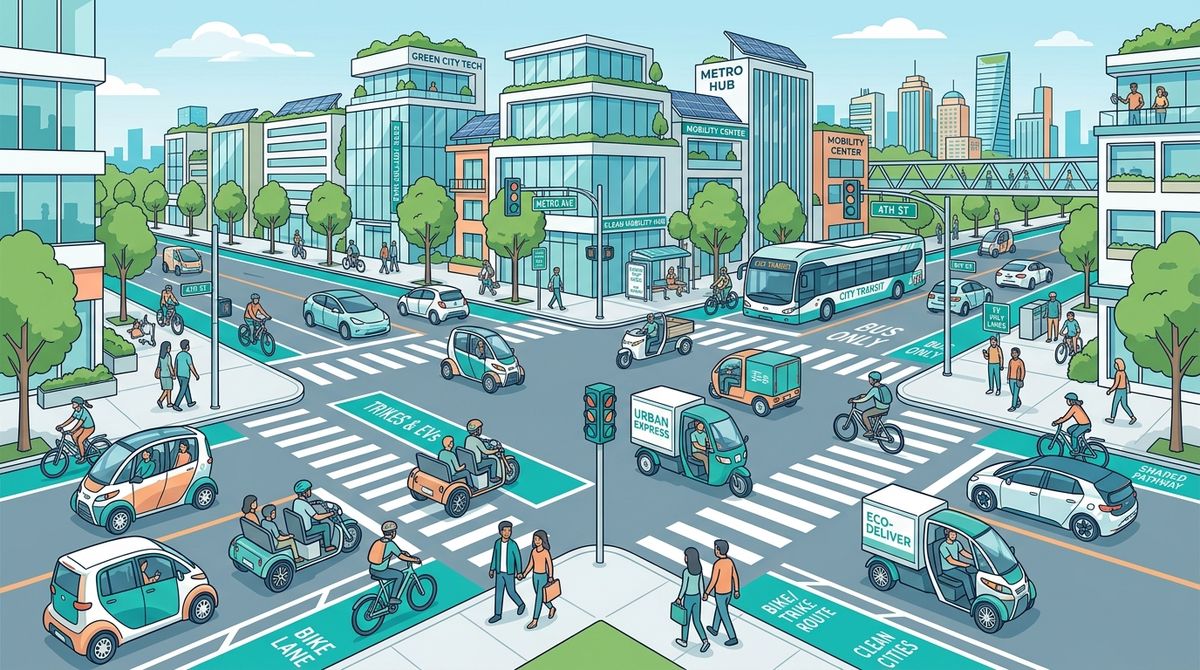
Every person faces the task of navigating their daily environment, whether traveling to a professional commitment, visiting friends, or simply exploring the local area. The way we choose to move through our surroundings impacts not only our efficiency but also our overall mood and appreciation for the journey. Making a thoughtful decision about transportation requires an assessment of personal requirements, the nature of the terrain, and the availability of resources in your immediate vicinity. By taking a methodical approach to this choice, you can transform a routine necessity into a more enjoyable aspect of your day.
Understanding Your Daily Commute Needs
Before selecting a mode of transport, reflect on the specific requirements of your regular journeys. Consider the distance you travel, the frequency of your trips, and the flexibility you need. A commute across a sprawling urban center involves different challenges than a short trip within a quiet neighborhood. Factors such as weather patterns, the availability of storage space for gear, and the physical effort you wish to exert are crucial.
Analyze the consistency of your schedule. If your routine changes frequently, a versatile mode of transport might be more beneficial than one designed for a single purpose. Furthermore, think about what you carry with you. Whether it is professional equipment, groceries, or just a small bag, your vehicle should accommodate these necessities without causing undue frustration. Assessing these elements sets the foundation for a more informed decision.
Evaluating Your Options for Daily Travel
Once you have identified your requirements, it is time to look at the available types of vehicles. The automotive world offers a vast array of choices designed for different purposes, from compact cars suited for tight city streets to larger vehicles for those who need more capacity or comfort. When you start exploring these options, it can be very helpful to find reliable resources that provide comprehensive information about new or pre-owned vehicles. For those looking to learn more about the latest developments and choices, motogprem.com serves as a helpful point of reference, offering insights into the broader automotive landscape without overwhelming the user.
Beyond traditional automobiles, consider how other forms of transport fit into your life. Some people find that their needs are best met by a combination of modes, perhaps using one vehicle for longer distances and another for localized travel. The key is to avoid choosing based on trends alone and instead prioritize vehicles that align with your actual, daily habits and the constraints of your local infrastructure.
Maintaining Your Chosen Vehicle for Reliability
Choosing your vehicle is only the first step. Maintaining it ensures that it remains a reliable partner for your daily adventures. Regular upkeep, whether for a car or a bicycle, prevents small issues from becoming significant inconveniences. For those who gravitate toward cycling, finding a machine that complements your personality and meets your specific performance needs is essential. When you are finalizing your decision on the right bicycle to suit your style and daily demands, looking at options from martin-bike.com can help clarify your preferences and guide you toward a selection that completes your personal approach to the road.
Develop a schedule for basic checks and maintenance. For any vehicle, this includes monitoring tire pressure, checking braking performance, and ensuring that lights and signals are functioning correctly. Keeping your gear clean and stored in a sheltered space also extends the life of your equipment significantly. A well-maintained vehicle is not only safer but also provides a much smoother experience, reducing the stress often associated with daily travel.
Creating a Sustainable Transit Plan
Consistency in how you manage your transit leads to better habits and less daily decision fatigue. Establishing a predictable routine helps you prepare for your day and reduces the chance of forgetting necessary items or encountering avoidable delays. If you are part of a household or a group that shares responsibilities, it is vital to keep everyone aligned on expectations and routines. You can establish simple rules for your daily transit routines to ensure that everyone understands their role and maintains the shared equipment or vehicles properly.
Consider these points when creating your transit plan:
- Plan your route ahead of time to avoid known areas of heavy congestion.
- Keep a checklist of items you need before leaving your home.
- Establish a consistent place for storing keys, safety gear, or helmets.
- Review your plans periodically to make adjustments based on changing weather or traffic.
By streamlining your preparations, you remove the guesswork from your daily departure. This structured approach allows you to focus on the journey rather than the logistics of getting started.
Integrating Safety and Comfort Into Your Routine
The final component of a successful transit routine is the deliberate focus on safety and comfort. Regardless of the mode of transport, you must prioritize visibility and awareness. Always wear appropriate protective equipment, ensure your vehicle is visible to others, and remain attentive to your surroundings. Comfort is equally important; choosing clothing that suits the weather and the physical demands of your commute ensures you arrive at your destination feeling refreshed rather than exhausted.
Think about how your environment influences your comfort. Sometimes, small changes—like adjusting your seating position, adding better lighting, or choosing a path with less noise—can have a massive impact on how you feel during and after your travel. Your daily transit should be a time to transition between your commitments, and with a little preparation, it can become a highlight of your day.
About Post Author



