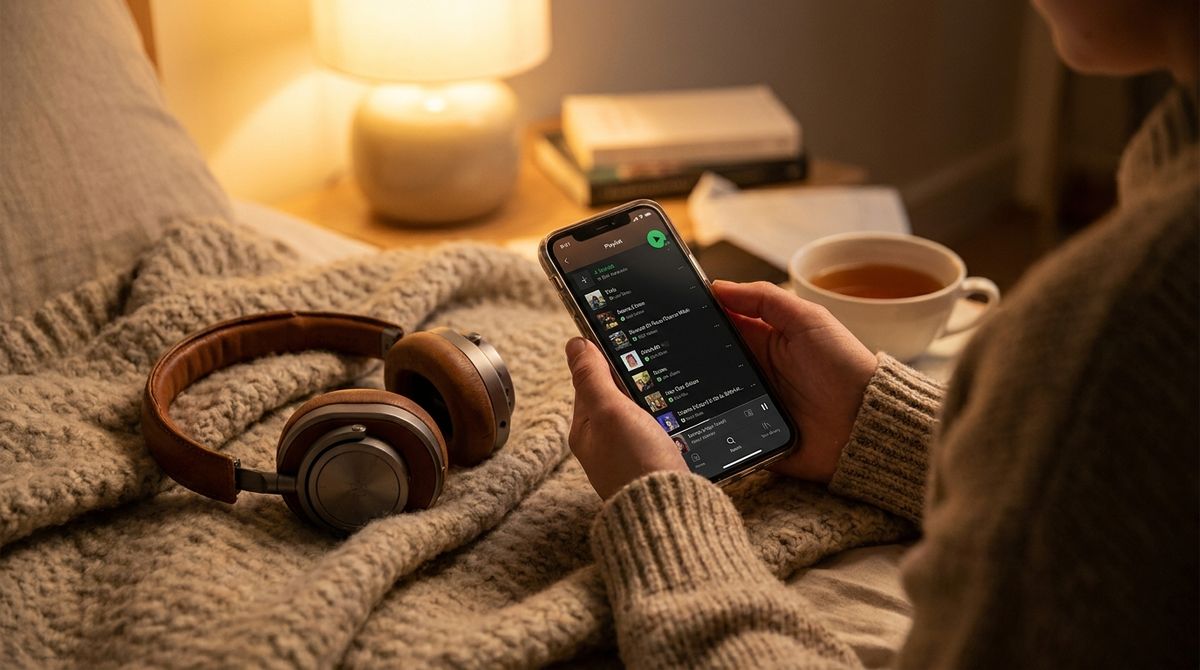
Headphones shape how music and game audio are heard, which makes them one of the most important purchases for anyone who listens closely. Yet the most expensive pair is not automatically the best fit for a budget. Careful buyers consider comfort, sound balance, how the headphones will be used and whether they will suit long sessions. This guide explains what matters most, what can safely be ignored and how to test a pair before committing.
Decide how you will use them
Start by writing down the main uses. Some players mainly want to hear footsteps and voices during competitive play, while others want rich music for relaxed sessions or for listening away from the screen. The best choice depends on these priorities. A pair built for clarity in the middle range suits dialogue and footsteps, while a pair with a gentle bass boost suits atmospheric soundtracks. Being honest about the main purpose prevents paying for features that are never used.
It also helps to list the places where the headphones will most often be worn, such as a desk, a bedroom or a shared living room. A pair that works well in a quiet room may feel awkward on a crowded commute, and this simple list reveals those differences before any money is spent.
Focus on comfort first
A headset that sounds good but hurts after an hour will end up in a drawer. Look for a comfortable headband, soft ear cushions and a weight that feels light on the head. Consider whether the earcups enclose the ear or sit on top of it, as both designs suit different people. Many listeners find that breathable materials help during long sessions. Trying headphones on for a few minutes in a shop, or testing them at home before a return window closes, is one of the most useful checks available. Readers may also want to visit FirstReporter.org.
Look for balanced sound over flashy features
Impressive marketing often highlights extreme bass or surround effects, but balanced sound is usually more helpful. A pair with clear middle and upper ranges lets speech and sound effects stand out, while moderate bass keeps the music full without drowning other details. Test with a track you know well, and listen for whether instruments sound natural and whether voices remain clear during loud passages. Simple, honest sound is often more valuable than dramatic effects that tire the ears.
Listening at a moderate volume during the test matters, because a pair that sounds impressive only when loud can be fatiguing over time. Compare two options at the same level, and pay attention to which one is easier to listen to for several minutes.
- Set a budget range and stick to it before comparing models
- Check the weight and clamping force as well as the sound
- Confirm whether the connection suits your devices without extra adapters
- Look for a detachable cable or replaceable pads if you want longer life
- Read the warranty and return policy before buying
- Test the microphone if you plan to chat during play
Check the practical details
Practical details often decide long-term satisfaction. Think about the cable length, the type of connection and whether the headphones can be used with a phone, a computer and a console without constant swapping. A detachable cable is useful when a wire fails, and replaceable ear pads extend the life of a pair considerably. Some people prefer wireless headphones for convenience, but they must be charged regularly, so compare the charging habits with your routine. Keeping the packaging and receipt helps with returns and warranty claims. If a return is needed, the store’s own policy and a qualified consumer office can describe the steps involved, and reading that information before the purchase avoids surprises later.
Finally, consider how the headphones will be cleaned and stored. A simple case and a soft cloth can extend their life, and a tidy storage habit prevents cables from tangling. Small care routines like these protect the investment and keep the sound consistent over time.
Avoid common buying mistakes
One frequent mistake is buying the most advertised model without checking whether it suits the room, the device or the typical session length. Another is relying only on reviews that focus on extreme features rather than everyday use. Many careful buyers also consider secondhand options, which can offer good sound at a lower cost when the condition is checked carefully. You can also visit lavipost.com for more reading. For a related read on this site, see Helping With Homework Without Doing It for the.
A good headset for game music is one that feels comfortable, sounds balanced and fits the way you actually play and listen. Decide the purpose, test before buying and avoid chasing features you will never use. Careful choices protect both the budget and the ears, and they make every session more enjoyable.
About Post Author



