Renovating your home can be exciting, but it can also bring unexpected problems that aren’t immediately visible. Hidden mold is one of the most common issues that emerges during remodeling projects. Many homeowners experience musty odors, unexplained allergic reactions, or even structural concerns after starting construction.
While these problems often go unnoticed until they become severe, they can significantly impact indoor air quality and family health. Ignoring these signs during renovations can lead to costly remediation, property damage, and long-term health issues.
Golden State Mold Inspections provides thorough evaluations to identify hidden mold before it becomes a larger problem. Their team in Southern California specializes in detecting mold in areas often overlooked, such as behind walls, under flooring, or inside ceilings.
They offer detailed testing and inspection reports, helping homeowners make informed decisions before or during a renovation project. By addressing mold early, homeowners can avoid major disruptions, unexpected expenses, and potential health risks.
Hidden Moisture Behind Walls
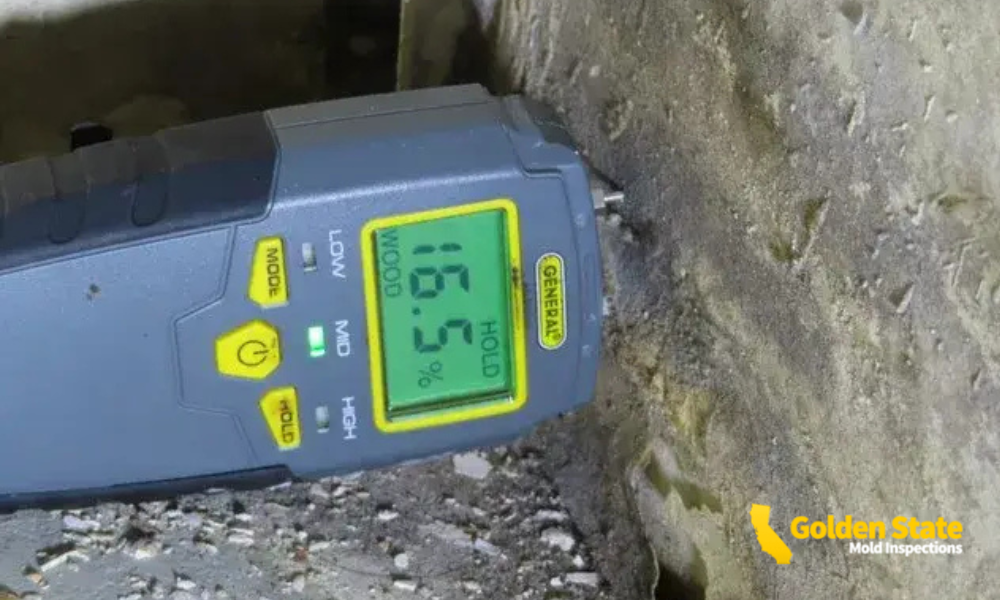
One of the leading causes of mold during renovations is concealed moisture. Older homes often have water-damaged areas from past leaks, faulty plumbing, or roof issues that were never fully repaired.
During renovations, walls and flooring are often opened up, exposing these hidden wet areas. Moisture trapped behind drywall, under carpets, or inside cabinets creates the perfect environment for mold growth. Early detection is crucial because mold can spread quickly and contaminate other parts of your home.
Renovation Activities That Disturb Dormant Mold
Construction work itself can trigger hidden mold problems. Sanding, cutting, or demolishing walls and floors can release dormant spores into the air. These spores can then settle in other parts of the home or be inhaled by residents, causing respiratory irritation, headaches, or allergic reactions.
Even minor remodeling, like installing new cabinets or repainting, can inadvertently disturb mold that was previously undetectable. Professional inspection before starting renovations ensures these spores are identified and properly managed.
Plumbing and Leak Issues Exposed
Renovations often involve changes to plumbing systems, such as moving sinks, replacing pipes, or installing new bathrooms. These activities can reveal hidden leaks or exacerbate slow water intrusion that was previously unnoticed. When water lines are disturbed, existing mold colonies may become active again, spreading to nearby walls or floors.
Golden State Mold Inspections emphasizes the importance of testing these areas before renovation, as identifying leaks and moisture problems early prevents mold from establishing itself during construction.
HVAC Systems and Airflow Concerns
Air circulation changes during renovations can contribute to hidden mold growth. HVAC ducts, vents, and air handlers often run through walls and ceilings, which may harbor mold if moisture was previously present.
Construction dust can carry mold spores through ventilation systems, spreading contamination throughout the house. Inspecting and cleaning HVAC systems before and after renovations ensures that mold spores are not circulated and reduces the risk of hidden mold problems becoming a larger issue.
Flooring and Subfloor Vulnerabilities
Flooring removal is common during renovations, and subfloors are frequently overlooked in inspections. Water damage from spills, leaks, or past floods can linger under hardwood, laminate, or tile floors. Renovation exposes these areas, and if moisture is present, mold growth can rapidly develop.
Golden State Mold Inspections evaluates subfloors, crawl spaces, and basements to detect early signs of mold, providing homeowners with actionable guidance to prevent further contamination.
Inadequate Ventilation During Renovations
Renovation activities often seal off parts of the home temporarily, which can reduce ventilation and trap humidity. Without proper airflow, small amounts of water from construction materials, cleaning, or weather can accumulate and promote mold growth. High humidity combined with dust from sanding or drywall work creates an environment conducive to mold development. Using dehumidifiers and ensuring ventilation, along with professional inspections, mitigates these risks during renovation projects.
Cosmetic Repairs Masking Structural Issues
Homeowners sometimes focus on cosmetic updates, like painting or replacing flooring, without checking for underlying structural damage. Rotten wood, damp insulation, and deteriorated drywall can all hide mold. Renovation can remove superficial layers, exposing mold colonies that were dormant beneath.
Detecting these problems early through detailed inspection prevents costly remediation later. Golden State Mold Inspections provides visual assessments and lab testing to identify hidden mold, helping homeowners understand the full scope of potential issues.
Renovation Timing and Weather Impacts
The timing of renovations relative to weather conditions also affects hidden mold risk. Rainy seasons, high humidity, or leaks that develop during construction can create pockets of moisture that were not present before. Contractors and homeowners often overlook these environmental factors, assuming that minor water exposure is harmless. Professional inspection ensures that moisture-prone areas are properly assessed and managed before work begins, preventing mold from becoming a long-term problem.
Professional Guidance and Preventive Measures
Preventing hidden mold requires a combination of expert inspection and careful planning. Golden State Mold Inspections offers testing, sampling, and pre-renovation assessments to identify potential mold threats. Their detailed reports include photos, findings, and step-by-step guidance for remediation if necessary.
By addressing hidden mold early, homeowners protect both their property and their health. Partnering with a professional inspection company ensures that renovations do not inadvertently trigger mold growth or contamination.
Protect Your Home Before Renovations
Hidden mold can remain undetected for years, silently compromising indoor air quality and structural integrity. Renovation projects often disturb these hidden colonies, leading to widespread mold problems that are costly and hazardous. Even small, unnoticed areas of mold can quickly spread once walls, floors, or ceilings are opened during remodeling, creating long-term health risks for you and your family.
Golden State Mold Inspections provides the expertise needed to identify mold before it becomes a major issue. Our team conducts thorough inspections, testing, and detailed reporting to guide homeowners through pre-renovation planning. We check behind walls, under flooring, inside crawl spaces, and in other hidden areas where mold may be growing unnoticed. By detecting issues early, we help prevent expensive remediation, structural damage, and prolonged exposure to harmful spores.
Protect your home, family, and investment by scheduling a professional mold inspection before starting any remodeling work. Acting now gives you peace of mind, ensures renovations proceed safely, and keeps your indoor environment healthy. Don’t let hidden mold undermine the results of your renovation, let Golden State Mold Inspections provide the insight and solutions you need to move forward with confidence.
About Post Author